
Katni Marble vs Makrana Marble: What Should Tanzania Buyers Choose?
The decision between Katni and Makrana marble will be determined by longevity, color, and cost.
Read More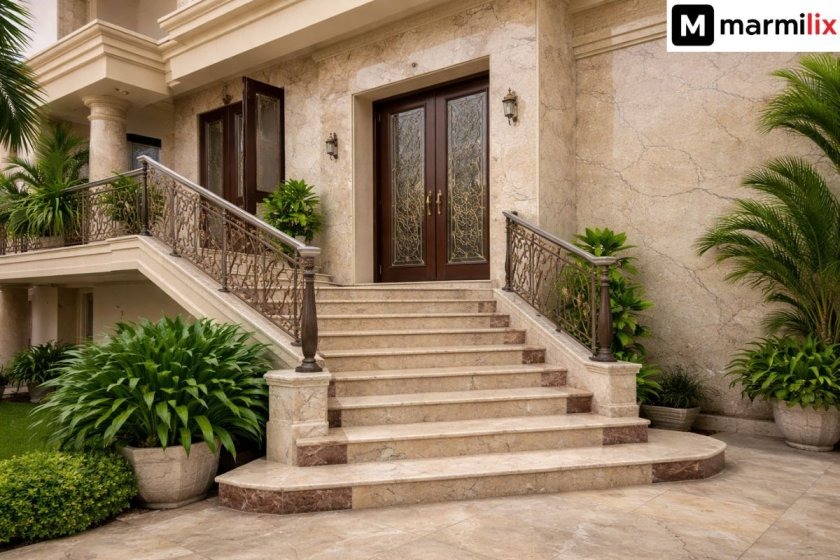
It is a strong and luxurious material used in staircase construction.
It enhances interior and exterior building elevations.
It is appropriate for Tanzania’s weather, which is warm and coastal.
Staircases are always used. Thus, the material should be powerful, secure, and appealing to the eye. Katni marble is capable of fulfilling all these needs, and this is the reason why it is emerging as a favorite material in the construction of staircases.
Additionally, the quality of this stone is also one of the reasons why builders have confidence in using this stone, as it is of consistent quality and, in most cases, it is produced by reputable marble manufacturers in Tanzania who are concerned with durability and finishing standards. The quality of manufacture makes the marble slabs strong even after several years of daily use.
The major advantages of Katni marble as staircases are the following:
Moreover, Katni marble is compatible with various interior designs. Regardless of the modern or traditional building design, this stone is in harmony with wood, glass, or metal railings.
With the increase in construction standards in Tanzania, marble staircases are being suggested by architects due to their ability to offer both safety and architectural appeal.
There are reliable suppliers who provide quality materials for construction projects.
Katni marble is popular in staircases and the elevation of the building since it is strong, beautiful, and simple to keep. The architects and homeowners in the expanding construction sector in Tanzania have been using this natural stone as a choice of construction material in residential and commercial construction. Brands such as Marmilix provide quality Katni marble that can be used to produce contemporary staircase and elevation designs that are long-lasting.
Furthermore, some of the buildings in Tanzania are also adopting marble finishes. Staircases are not only functional items anymore, but they also provide visual value to a building. Hence, the selection of the appropriate stone becomes extremely critical. Katni marble is a good combination of beauty, strength, and long-term performance; this is why it is a good option to use in modern construction.
Furthermore, the elevation design is a significant factor in the exterior appearance of a building. Stone such as Katni marble is natural and provides a high-quality finish and enhances architecture. Due to this, developers and architects in Tanzania are investigating this material more often.
Staircases are always used. Thus, the material should be powerful, secure, and appealing to the eye. Katni marble is capable of fulfilling all these needs, and this is the reason why it is emerging as a favorite material in the construction of staircases.
Additionally, the quality of this stone is also one of the reasons why builders have confidence in using this stone, as it is of consistent quality and, in most cases, it is produced by reputable marble manufacturers in Tanzania who are concerned with durability and finishing standards. The quality of manufacture makes the marble slabs strong even after several years of daily use.
The major advantages of Katni marble as staircases are the following:
Moreover, Katni marble is compatible with various interior designs. Regardless of the modern or traditional building design, this stone is in harmony with wood, glass, or metal railings.
With the increase in construction standards in Tanzania, marble staircases are being suggested by architects due to their ability to offer both safety and architectural appeal.
The outer look of a building is determined by elevation design. An attractive design of the exterior not only adds value to the property but also enhances the physical appearance of homes, hotels, and business centers.
Therefore, Katni marble assists in producing clean and elegant building fronts. Most architects get quality stone by using reliable natural stone suppliers in Tanzania, ensuring that the material used in the exterior design is durable.
Katni marble is also used in elevation design in some ways as follows:
Moreover, marble surfaces reflect light, which makes buildings look brighter and more high-quality. This effect is particularly noticeable in hotels, offices, and luxury homes.
Design flexibility is another benefit. Katni marble can be cut into various shapes and sizes, allowing architects to create distinctive designs that make buildings stand out in cities.
Furthermore, marble cladding protects walls from weather exposure when properly used. It serves as a supplementary protective coating while also enhancing the aesthetic value of the building.
Tanzania is characterized by diverse climatic conditions such as humidity and warm weather along the coast. The building materials should therefore be strong enough to withstand these environmental factors.
Katni marble that is produced by the best marble exporters in Tanzania has been known to be very durable and resistant to environmental stress. Marble that has been properly processed does not lose its structure even in changing weather conditions.
Significant durability benefits are the following:
Additionally, marble does not deteriorate easily compared to painted exterior finishes. This saves on renovation expenses and maintains a good appearance of the buildings over time.
Frequent polishing and sealing also enhance the life of the marble surfaces. Due to this, most commercial buildings in Tanzania have a preference for marble facades and staircase finishes.
The choice of the marble supplier is as important as the choice of the material. Constructors seek suppliers who deliver quality, good finishing, and timely delivery.
Businesses such as Marmilix specialize in providing high-quality Katni marble for the construction of staircases and elevation designs. Quality suppliers ensure that slabs are processed, polished, and packed safely for transport.
Builders normally take into account the following aspects when selecting a supplier:
Besides, reliable suppliers assist architects in choosing the appropriate marble finish depending on project needs. For example, staircase surfaces might require an anti-slip coating, whereas elevation panels are typically polished.
Collaboration with skilled suppliers also guarantees that the marble meets the construction standards applied in Tanzania. This enhances safety, durability, and overall project quality.
Due to these benefits, developers are increasingly using trusted brands like Marmilix when sourcing marble for large construction projects.
Katni marble has emerged as a significant construction material in the increasing construction industry in Tanzania in staircase and elevation design. It is strong, attractive to the eye, and has long-term durability that makes it fit in residential and commercial buildings.
Therefore, by obtaining the marble materials through reputable marble suppliers in Tanzania, builders can be assured of the quality and long-term value of the architectural projects.
It is durable, has a beautiful look, and is smooth-finished, making it suitable for residential and commercial staircases.
Yes, it is widely applied in cladding facades, pillars at entrances, and decorative designs of exterior walls.
Yes, it can withstand heat and humidity when properly sealed and maintained.
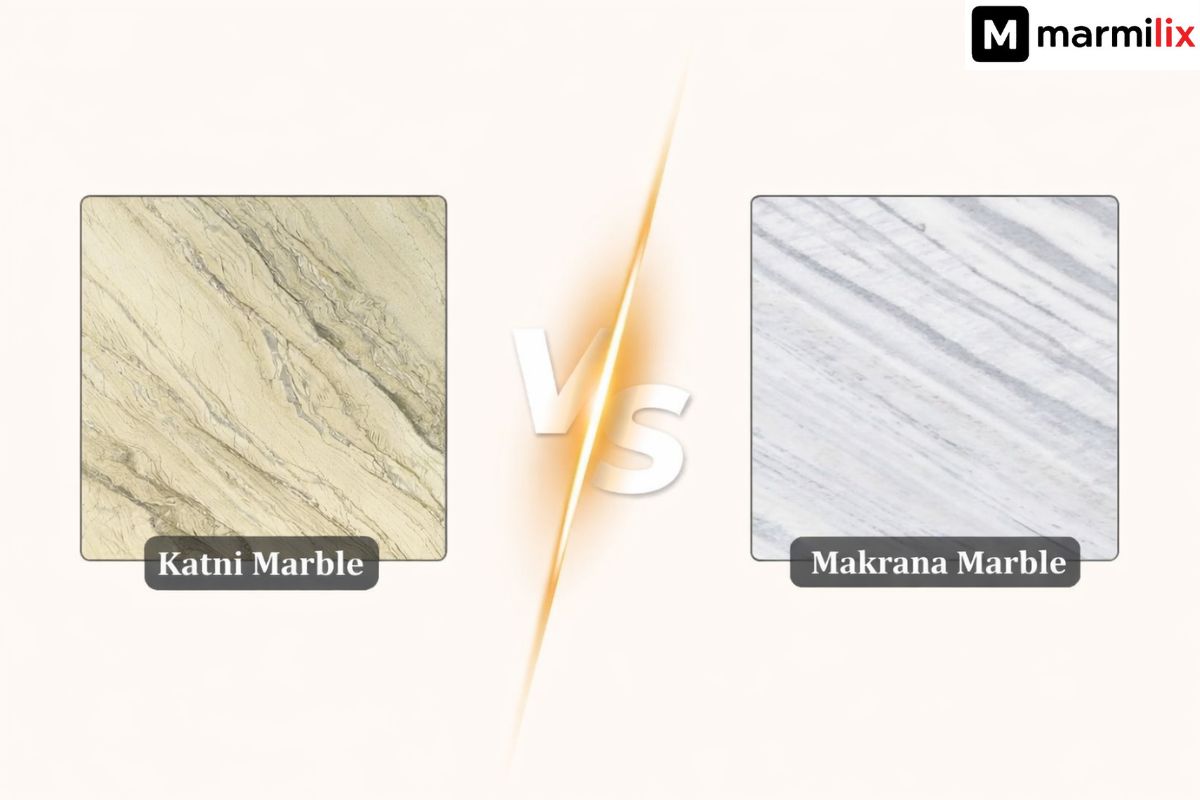
The decision between Katni and Makrana marble will be determined by longevity, color, and cost.
Read More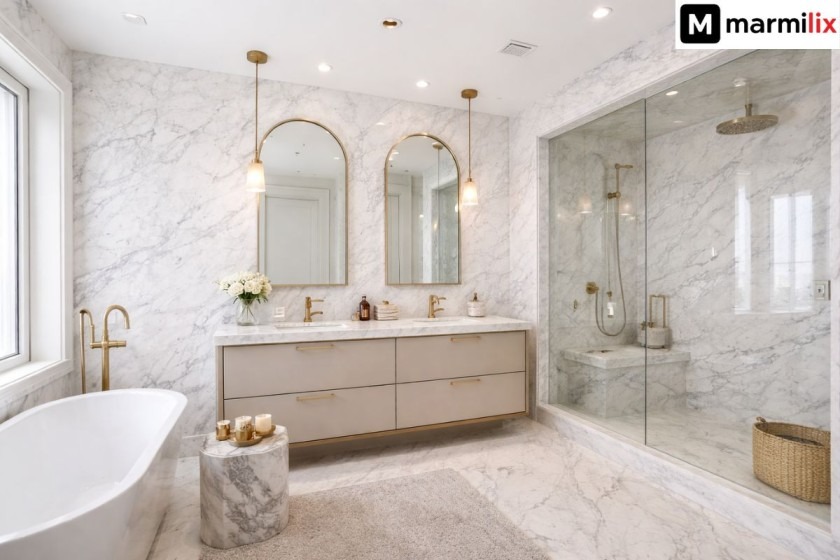
Wonder White Marble will be suitable on bathroom walls and vanities in Tanzania because it has.
Read More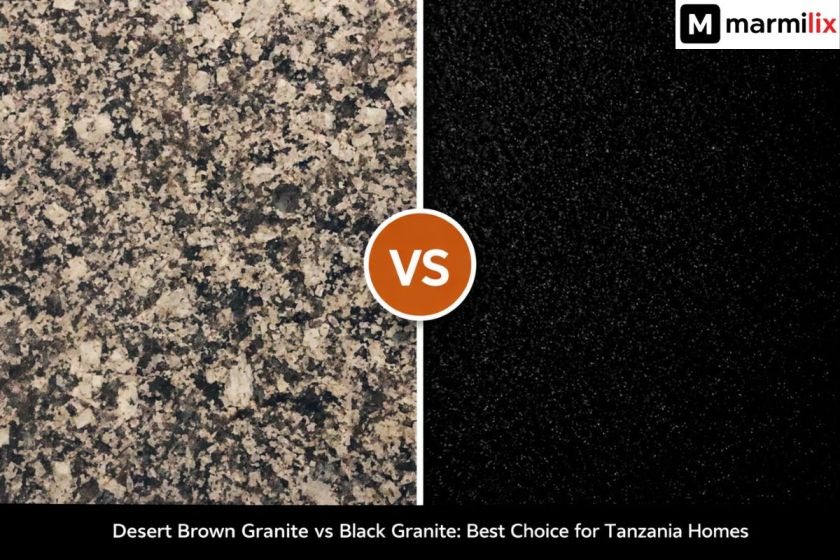
Both Desert Brown and Black Granite are fitting in Tanzania, but Desert Brown hides dust.
Read More